Microplastics in water: new study reveals hidden chemical threat
Scientists have discovered that microplastics in water can trigger chemical reactions capable of damaging living cells.
 🩺Health
Photo: TSN
Key points
- Microplastics trigger reactive oxygen species in water
- Polyethylene and polypropylene are the most reactive materials
- Heating plastic significantly increases the risk of particle release
Microplastics, long perceived as mere passive debris in the environment, have been found to be chemically active. Research conducted by scientists at Columbia University and the University of California, Berkeley, has demonstrated that plastic particles can trigger harmful chemical reactions upon contact with water.
Chemical activity of plastic surfaces
When in contact with water, the surface of microplastics generates reactive oxygen species (ROS), including hydroxyl radicals. These molecules are capable of damaging proteins and DNA. Polyethylene and polypropylene were identified as the most active types, as their water-repellent surfaces facilitate electron transfer.
- Polyethylene and polypropylene are the most chemically active plastics.
- PET and acrylic show lower levels of activity.
- Microplastic shedding increases significantly when plastic is heated or exposed to sunlight.
Laboratory experiments involving mouse red blood cells showed that exposure to microplastics can cause cell deformation and rupture. While these findings are based on controlled laboratory settings, they provide a new perspective on the potential health risks associated with widespread plastic pollution.
Source TSN — tsn.ua/zdorovya/mikroplastyk-vyiavyvsia-nebezpechnishym-niz-vvazaly-shc… ↗
Read next
 👥Society
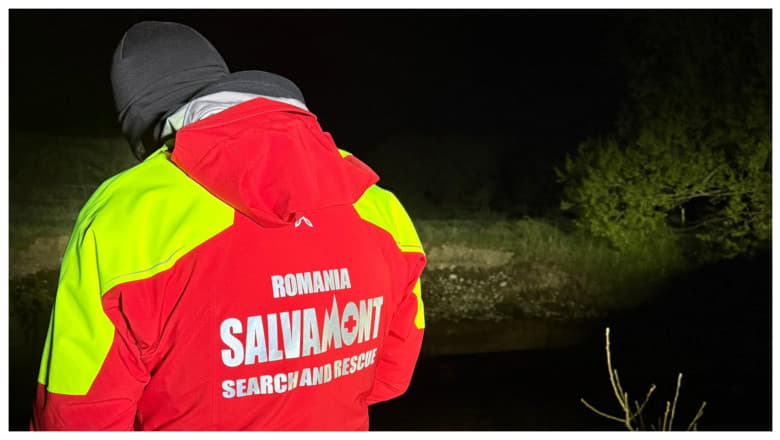
Ukrainian citizen dies in Romanian mountains, two others rescued
Romanian rescuers in the Maramureș mountains found the body of a deceased Ukrainian citizen and successfully rescued two of his companions.
 ⚽Sport
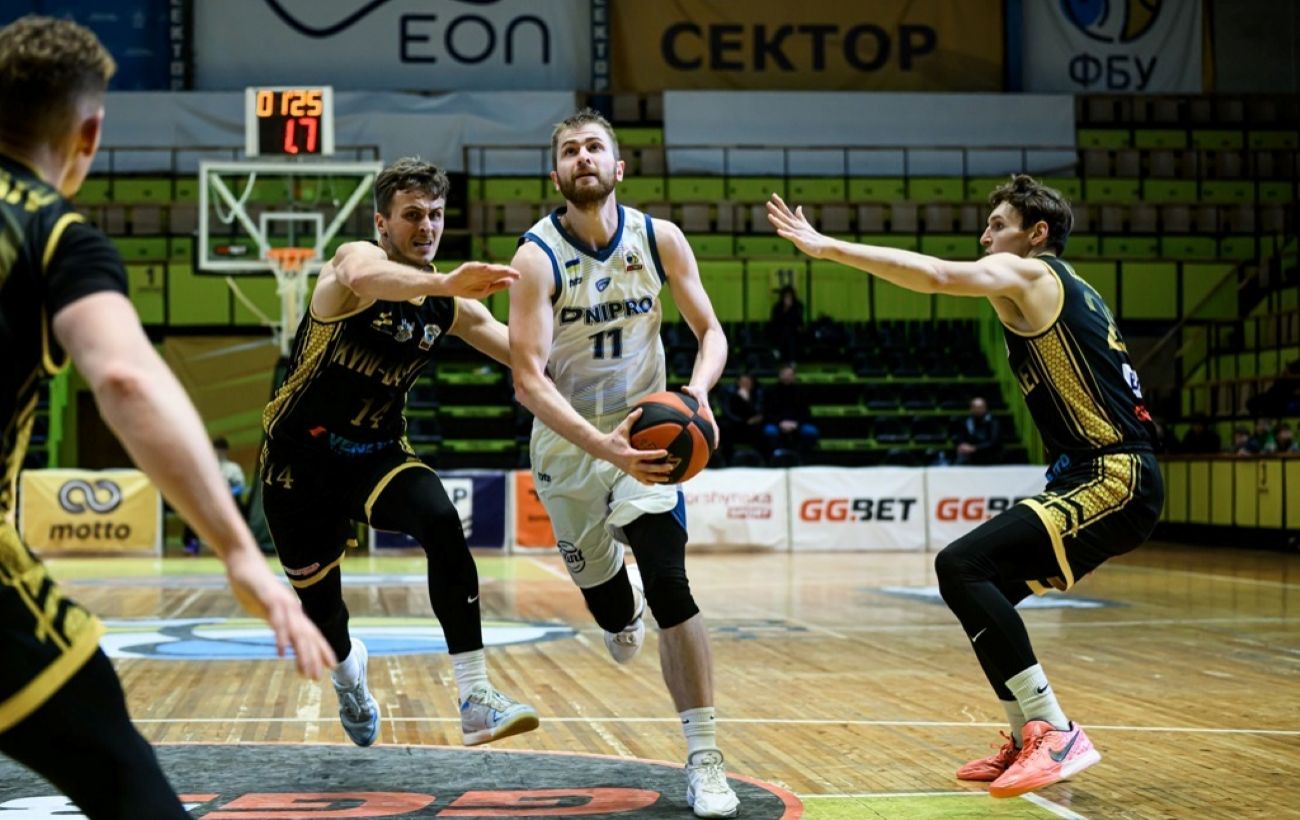
Basketball Superleague: dramatic overtimes and favorites' victories in the latest round
An overview of the final matches of the Ukrainian Basketball Superleague regular season: victories for Dnipro, Kharkivski Sokoly, Khmelnytskyi, and a comeback win by Niko…
 👥Society
Slovak Minister Blames Ukrainians for 1968 Prague Spring Crackdown: Historians Debunk Claims
Slovak Foreign Minister Juraj Blanár claimed that Ukrainians were behind the 1968 Soviet invasion of Czechoslovakia. Experts and historical records fully refute these sta…
 🎓Education
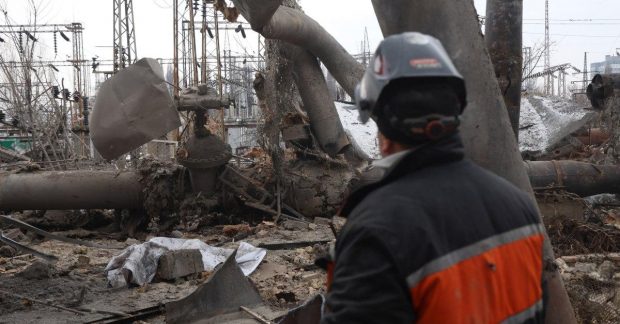
Military specialists to be involved in restoring Ukraine's energy infrastructure
The government plans to engage military engineers and electricians in repair works at energy facilities damaged by Russian attacks.
 👥Society
British Political Forces Distance Themselves from Donald Trump's Remarks on Russian Leadership
Leading British opposition parties have reacted sharply to the US president's social media post referring to Vladimir Putin as a "friend".
 👥Society
Neighboring Slovakia records highest number of rare heavy birds in over fifty years
Ornithologists in Slovakia have counted 638 great bustards at a protected site, marking the best result since 1973 thanks to ongoing habitat restoration efforts.