AI and Radical Longevity: Could Humans Live for 1,400 Years?
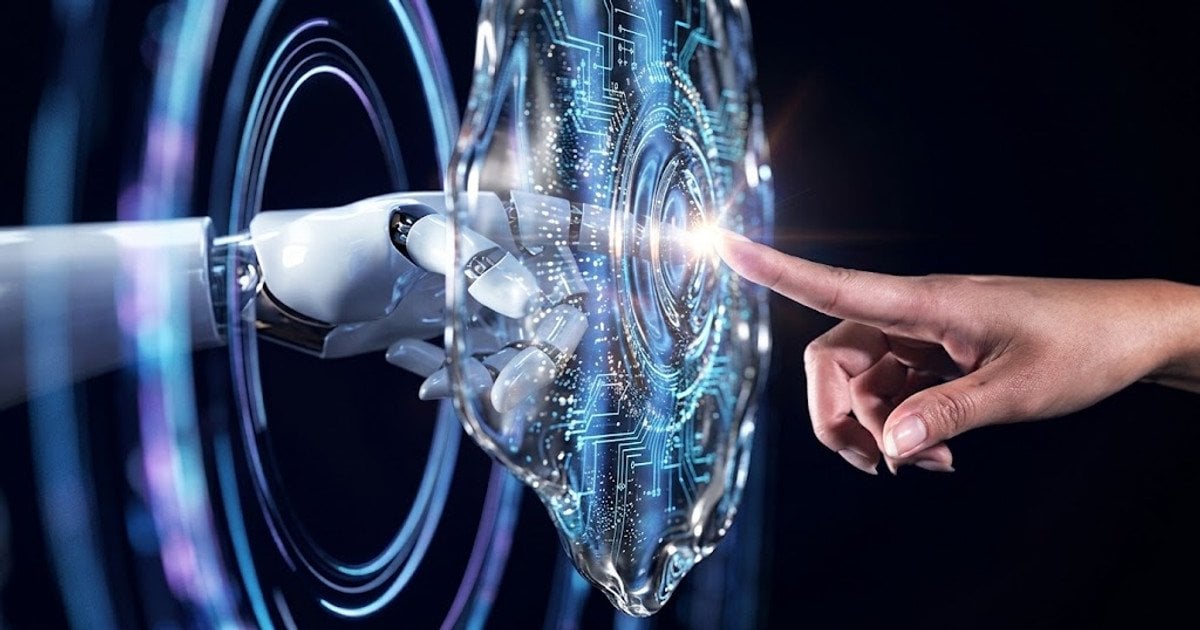
Oxford philosopher Nick Bostrom suggests that AI-driven medical breakthroughs could extend human lifespan to over a millennium by halting aging.
 🩺Health
Photo: TSN
Key points
- AI could potentially stop biological aging by maintaining youthful health levels.
- Lifespans of 1,200 to 1,400 years are theoretically possible with AI breakthroughs.
- The debate continues over balancing AI safety with the urgent need for medical progress.
The rapid advancement of artificial intelligence (AI) could unlock the secret to extreme longevity, potentially allowing humans to live for over a thousand years. According to Nick Bostrom, a Swedish philosopher and former Oxford University professor, AI has the potential to accelerate biomedical research to the point where biological aging could be effectively halted.
Halting the Aging Process
Bostrom posits that if future technologies can maintain human health at the level of a healthy 20-year-old, the average lifespan could reach between 1,200 and 1,400 years. In this scenario, aging would no longer be the primary cause of death; instead, mortality would largely result from accidents or external factors. He describes this estimate as a "conservative lower bound," suggesting that even longer lifespans might be possible as safety technologies evolve.
The philosopher, who founded the Future of Humanity Institute at Oxford, emphasizes that AI’s ability to process complex biological data will lead to discoveries that are currently beyond human reach. However, this potential comes with a significant ethical debate regarding the speed of AI development.
The Safety vs. Progress Dilemma
There is an ongoing global discussion about whether to slow down AI development to ensure robust safety protocols. Bostrom acknowledges that while extra time for safety research could mitigate existential risks, it also carries a heavy price. Every year of delay means that "millions and millions of people" continue to die from diseases that AI could potentially cure.
For communities like Svalyava, these global shifts indicate a future where local healthcare systems will increasingly rely on digital tools and AI diagnostics. While living for a millennium remains a futuristic concept, the underlying shift toward preventative, AI-enhanced medicine is already beginning to take shape.
Source TSN — tsn.ua/tsikavinki/liudy-zytymut-do-1400-rokiv-iak-shtuchnyy-intelekt-do… ↗
Read next
 👥Society
Martian "forest": NASA captures striking optical illusion on the Red Planet
A NASA spacecraft captured formations resembling dense trees at Mars' north pole, which are actually the result of unique geological processes.
 ⚽Sport
Mudryk Doping Controversy: Ukraine National Team Doctor Responds to Allegations
The medical staff of the Ukraine national football team has strongly denied Mykhailo Mudryk's claims regarding the potential presence of prohibited meldonium in his syste…
 🏙️City
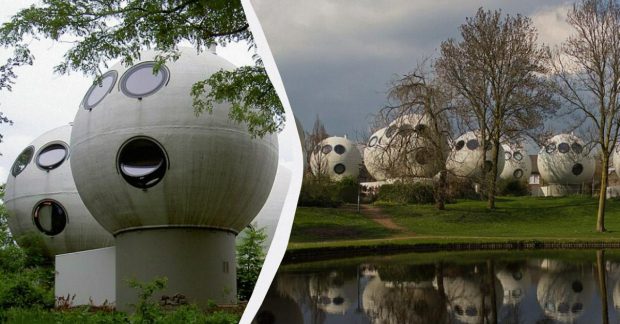
‘Golf Ball Houses’: A 40-Year Experiment in Innovative Urban Living
In the Netherlands, a unique neighborhood of 50 spherical houses continues to thrive 40 years after its experimental construction.
 💼Economy
Svalyava residents should prepare for price hikes: expert forecasts surge in oil and staple foods
Economists warn of a sharp increase in the cost of sunflower oil and other basic foodstuffs in Ukraine due to global market trends and the aftermath of production facilit…
 👥Society
Ukraine at Miss Universe 2026: National Costume Features Amber Tiara and Shell Casings
Ukraine's representative at the international beauty pageant, Anna Nikonova, unveiled her national costume 'Golden Pectoral', blending historical heritage with modern sym…
 🚨Events
Tragedy in Dymer: Two Bodies Recovered from Rubble of Damaged Apartment Building
In Dymer, Kyiv region, a drone strike destroyed part of a five-story residential building, killing two people, including an 18-year-old. Rescuers are searching for 11 mis…