Geneva UN Talks on "Killer Robots" Fail Over Russian Opposition and Lack of Consensus
A UN conference in Geneva ended without agreeing on a mandate for a legally binding treaty to regulate autonomous weapons. Resistance from Russia and reluctance from key powers prevented the adoption of strict international rules.
 🧠AI Analysis
Photo: RBC-Ukraine
Key points
- UN talks in Geneva failed to secure a mandate for a binding treaty on autonomous weapons.
- The Russian delegation blocked consensus by stalling discussions on legal regulations.
- Over 100 nations, including Ukraine, advocated for establishing international legal frameworks for military AI.
The Conference of the High Contracting Parties to the UN Convention on Certain Conventional Weapons (CCW) in Geneva concluded without establishing a mandate for a legally binding treaty on autonomous weapons systems. Although most participating nations advocated for mandatory rules to govern artificial intelligence in warfare, the conference ended up adopting a much weaker consensus statement.
The primary obstacle to reaching a binding agreement was the stance of the Russian delegation, which diplomatic sources accused of deliberately stalling discussions. At the same time, several major powers advancing military AI technologies preferred non-binding frameworks, arguing that existing international humanitarian law is sufficient.
Lack of Consensus and Differing Positions
More than 100 countries, including Ukraine, European Union members, and NATO allies, voiced support for a new legal protocol. A coalition of nations including Austria, Ireland, and Brazil sought to draft a binding agreement within a year, but the CCW's strict consensus rule requiring approval from all 128 state parties effectively blocked the effort.
Human rights advocates and AI experts expressed disappointment with the conference outcomes. They pointed out that fully and partially autonomous weapon systems are already deployed on modern battlefields, making regulatory delays increasingly dangerous for global stability.
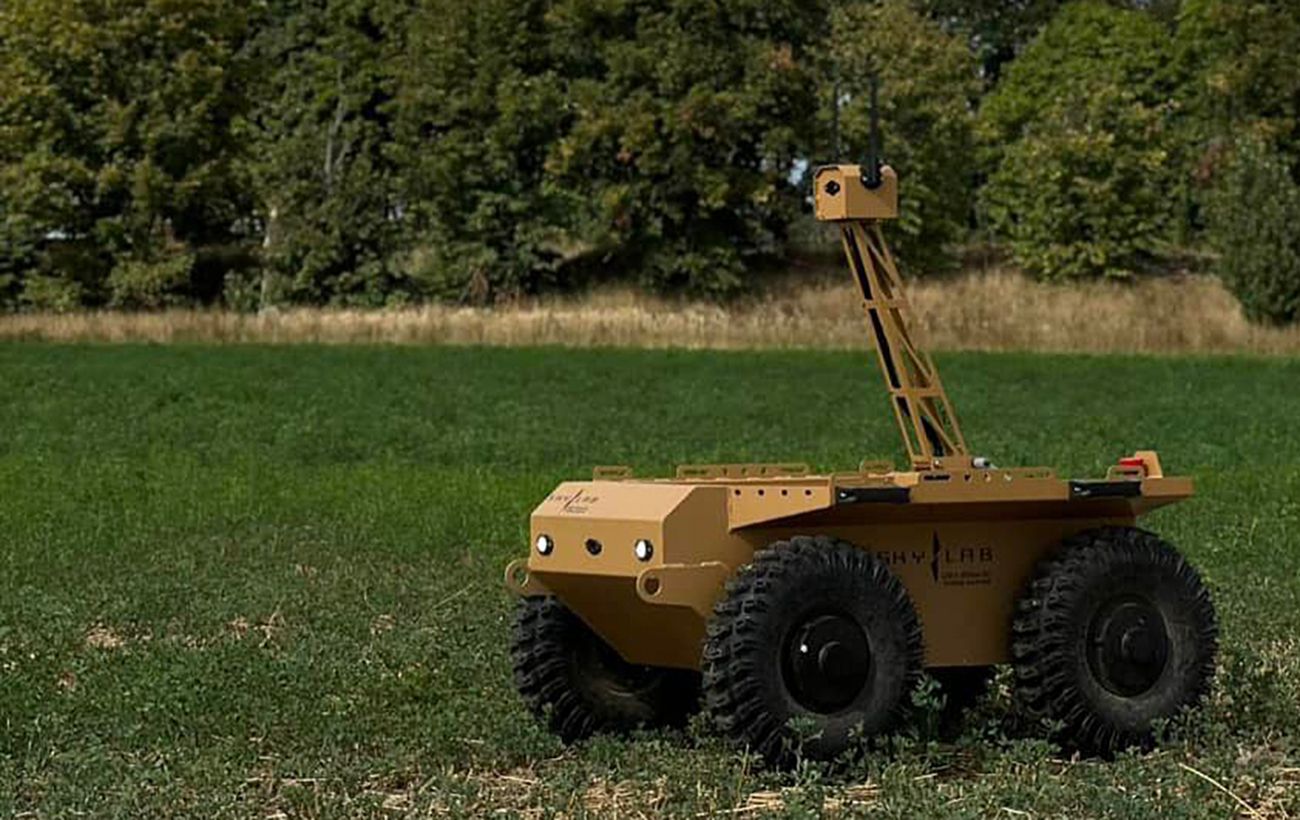
Meanwhile, the rapid advancement of drone technologies and robotic systems continues to reshape tactical warfare, reducing direct operator intervention during combat operations.
Source RBC-Ukraine — rbc.ua/ukr/news/rosiya-znyala-zaperechen-zhenevi-domovilisya-179542… ↗
Read next
 🛡️Security
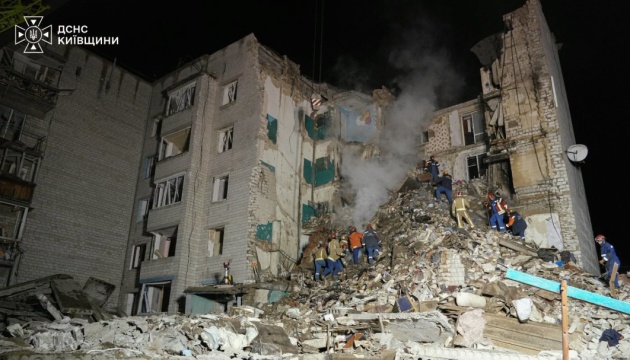
Strike on Dymer near Kyiv: Rescue operations conclude as death toll reaches 11
President Volodymyr Zelenskyy announced that search and rescue operations have concluded following a deadly drone strike on a residential building in Dymer, leaving 11 de…
 ⚽Sport
Signal Messenger Blocks Screenshots on iOS and Android Due to AI Agent Threats
Signal messenger is implementing protection against built-in artificial intelligence that can read private chats through OS features.
 👥Society
Western Intelligence Warns of Risk of Russia Deploying Nuclear Satellite into Orbit
According to German and allied intelligence services, Russia has assembled a satellite named Sputnik-S carrying a nuclear warhead. An orbital explosion could cripple glob…
 🏛️Politics
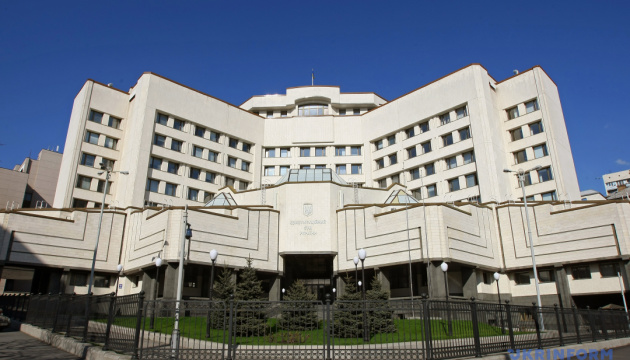
Ukraine's Constitutional Court on Brink of Losing Quorum After Judge's Retirement
The Constitutional Court of Ukraine has been left with just 12 judges following the end of Viktor Horodovenko's term. The Second Senate lost its quorum, putting constitut…
 💼Economy
High demand at auction: Rest house in Vovchyy village sold for 8.4 million UAH
During an online auction organized by the State Property Fund, a recreational complex price surged 77-fold, attracting 80 competing bidders.
 🛡️Security
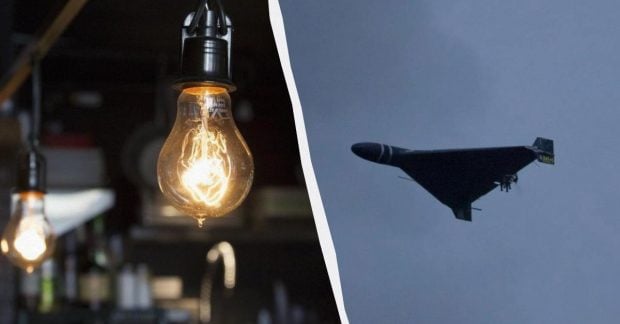
A Hundred Attacks in a Week: Energy Ministry Reports New Strikes on Ukraine's Energy Sector
Over the past week, Russian forces carried out a hundred targeted attacks on Ukraine's energy and oil and gas facilities, causing widespread power outages across multiple…