Western Intelligence Warns of Risk of Russia Deploying Nuclear Satellite into Orbit
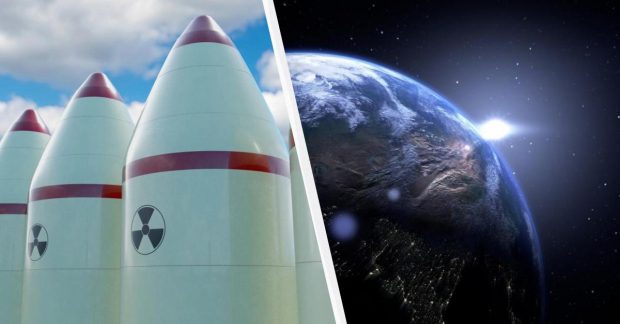
According to German and allied intelligence services, Russia has assembled a satellite named Sputnik-S carrying a nuclear warhead. An orbital explosion could cripple global communications and navigation.
 👥Society
Photo: UNIAN
Key points
- Western intelligence agencies (BND, Bundeswehr) report Russia built 'Sputnik-S' capable of carrying a nuclear warhead.
- A detonation in low Earth orbit could disable navigation, communications, and weather satellites globally.
- Russian satellite Cosmos-2612 was recently observed executing intentional rendezvous maneuvers near US satellite ICEYE-X36.
Western intelligence agencies, including the Bundeswehr and Germany's Federal Intelligence Service (BND), have identified signs of Russian preparations to place a nuclear warhead into outer space. According to intelligence shared among NATO members, the launch of a specialized satellite could take place as early as this year. Experts report that the spacecraft, designated Sputnik-S, is fully constructed and currently stored near Moscow.
Analysts believe the primary objective behind deploying nuclear weapons in space is strategic deterrence against the West. Should a nuclear warhead detonate in low Earth orbit, the resulting radiation and pulse could disable nearly all satellites in that orbit within a matter of months.
Threat to Civilian and Military Infrastructure
Such an event would cause widespread disruptions to satellite navigation systems, global telecommunications, weather forecasting, and civilian communications. This poses a major vulnerability for Western nations whose military intelligence, equipment, and operational command rely heavily on space-based technologies.
Meanwhile, Russia has been preparing alternative navigation methods. For instance, using disguised research vessels to map the Baltic Sea floor with high precision allows the Russian naval fleet to operate underwater without satellite support.
Suspicious Space Maneuvers
Concerns among defense experts are reinforced by recent orbital incidents. In October, the Russian satellite Cosmos-2612 executed an unusual close approach to the American commercial satellite ICEYE-X36, which belongs to a network capable of supporting Ukrainian forces.
Space tracking company LeoLabs noted that the maneuver, conducted at speeds exceeding 27,000 km/h, appeared to be an intentional rendezvous. Experts suspect such actions could represent attempts to interfere with Western satellite infrastructure assisting Ukraine.
Source UNIAN — unian.ua/weapons/rosiya-planuye-rozgornuti-yadernu-zbroyu-v-kosmosi… ↗
Read next
 🧠AI Analysis
Snowfalls and Icy Roads in Svalyava Region: Forecasters Warn of Worsening Weather
Over the next three days, Zakarpattia and the Carpathian region expect cooling, snow, and strong winds up to 20 m/s.
 ⚽Sport
Signal Messenger Blocks Screenshots on iOS and Android Due to AI Agent Threats
Signal messenger is implementing protection against built-in artificial intelligence that can read private chats through OS features.
 🏛️Politics
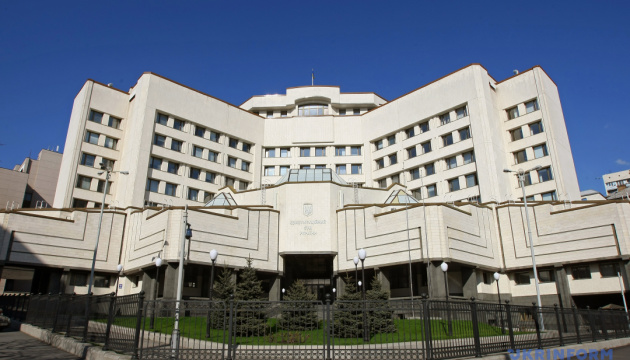
Ukraine's Constitutional Court on Brink of Losing Quorum After Judge's Retirement
The Constitutional Court of Ukraine has been left with just 12 judges following the end of Viktor Horodovenko's term. The Second Senate lost its quorum, putting constitut…
 💼Economy
Recreational Complex in Svaliava Region Sold at Auction for Record Amount
An online auction to privatize a holiday home in the village of Vovchyi concluded successfully, with the price increasing 77-fold.
 🛡️Security
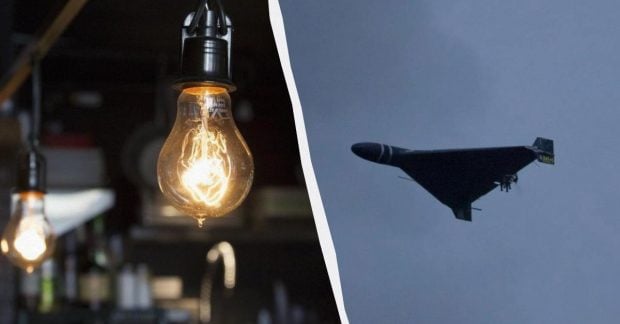
A Hundred Attacks in a Week: Energy Ministry Reports New Strikes on Ukraine's Energy Sector
Over the past week, Russian forces carried out a hundred targeted attacks on Ukraine's energy and oil and gas facilities, causing widespread power outages across multiple…
 💼Economy
Expanding capabilities: Expert forecasts new steps in the Baltic region following drone strikes
Recent drone attacks in the Kaliningrad region and the Gulf of Finland indicate a significant enhancement of capabilities. Aviation expert Konstantin Kryolap suggests Pri…