Daily Analytical Briefing: Diplomatic Push, Energy Crisis, and Security Risks
An analytical overview of the past 24 hours: intensifying diplomatic initiatives regarding talks, rising energy and humanitarian risks following infrastructure attacks, and tensions near NATO borders.
Key Trends of the Day
An analysis of the news feed over the past 24 hours highlights two parallel vectors: on the one hand, intensifying diplomatic signals concerning prospective peace negotiations, and on the other, an escalation of strikes targeting Ukraine's civilian and energy infrastructure.
1. Diplomatic Maneuvers and Negotiation Timelines
Geopolitical activity surrounding a potential end to the war remains the central topic. According to reports, Donald Trump's team is planning to organize trilateral talks (Ukraine–US–Russia) prior to December 25. Simultaneously, potential security guarantees modeled on NATO's Article 5 are being discussed alongside localized humanitarian ceasefires and a comprehensive prisoner exchange ("all for all").
However, public positions remain starkly divergent: the Kremlin has reiterated its demand for Ukraine's neutral status, while the Slovak government has declined to join the EU's €45 billion credit package for Ukraine, underscoring challenges in consolidating a unified European stance.
2. Energy and Humanitarian Strain Across Regions
Widespread strikes on Odesa's power grid have caused infrastructure disruptions, stopping public electric transport and water supply. Continued attacks on Zaporizhzhia, Dymer, and Kryvyi Rih reinforce ongoing civilian risks. For rear regions, these developments point to potential grid stress and shifts in internal displacement dynamics.
3. NATO Border Tensions and Defense Support
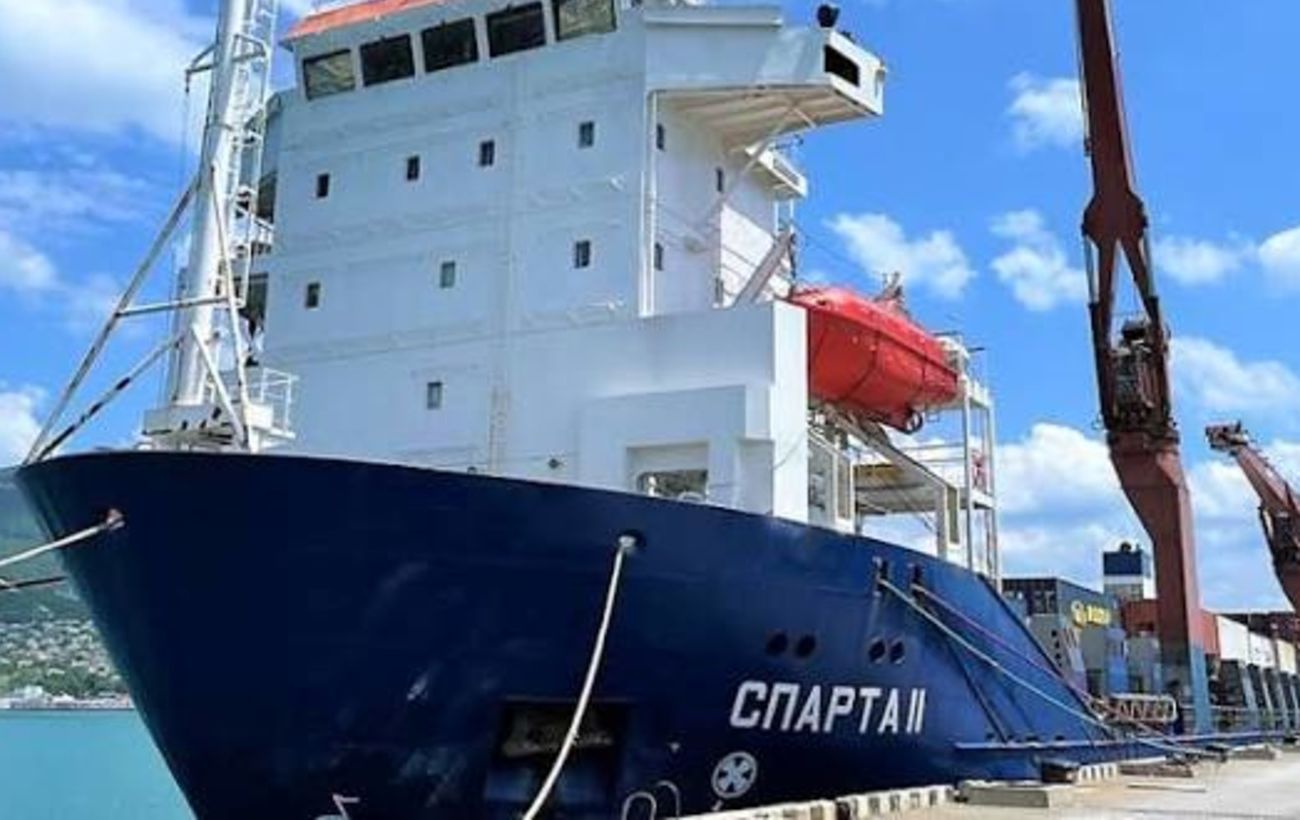
Incidents in the Gulf of Finland — including a fire aboard the Russian vessel Sparta II and a Russian helicopter breaching Finnish airspace — illustrate security friction near NATO's northern flank. Concurrently, bilateral defense cooperation continues to deepen, highlighted by an agreement with the United Kingdom to co-produce long-range strike drones.
Risks and Key Factors to Watch
- Diplomatic Track: Security advisor consultations and the feasibility of drafting a unified framework by year-end.
- Public Messaging: Impact of contradictory public statements on international cohesion.
- Energy Infrastructure: Power grid restoration timelines and regional energy stability.
- Frontline Dynamics: High intensity of engagements in the Pokrovsk sector and ongoing demining operations.
Read next
 💼Economy
Winter sowing of dill and parsley: how to get the earliest garden harvest
Practical recommendations for planting greens before winter allow gardeners to gather strong and resilient crops much earlier than the regular spring season.
 🛡️Security
Svalyava volunteers hand over another pickup truck to the Armed Forces
The NGO «Techno Varta», together with foreign partners and local entrepreneurs, prepared and dispatched a Ford Ranger pickup truck to support Ukrainian defenders on the f…
 🛡️Security
Fire Still Raging Aboard Russian Vessel Sparta II in the Gulf of Finland Following Drone Attack
The Finnish Border Guard is continuing firefighting operations on the Russian cargo ship Sparta II, which drifted into Finnish waters after a drone strike.
 🛡️Security
Strike on Dymer in Kyiv Region: 14 People Unreachable After Drone Attack
A nighttime enemy drone strike on an apartment building in Dymer, Kyiv region, caused significant damage and a fire. Rescue operations are underway as numerous residents …
 🎭Culture & Sport
Singer Miley Cyrus Secretly Marries in California
American artist Miley Cyrus has tied the knot with musician Max Morando during an intimate ceremony in Palm Springs.
 🏙️City
Ukrainian Theater Tours in Europe: Why Comedy Performances Move Audiences to Tears
Producer Serhii Chudaiev discussed the challenges of European tours for Ukrainian theaters, the emotional bond with expatriates, and logistics complexities.