The Illusion of Security: Why Overconfidence in Digital Skills Makes Us Vulnerable
Experts warn that false confidence in online literacy leaves users exposed to sophisticated cyber threats and AI-driven scams.
 💡Tech
Photo: RBC-Ukraine
Key points
- Over half of those skipping digital training believe they already know enough
- Two-thirds of internet users encounter data security problems annually
- Over 80% of social engineering attacks globally involve artificial intelligence
Daily internet usage and habits of trusting messages from friends often lead to a dangerous drop in vigilance. Research reveals a striking paradox: many people who see no need to improve their digital skills justify it simply by assuming they already know everything, while feeling largely unprotected online.
The Evolution of Cyber Threats and AI
Technology changes faster than users can adapt, and modern online scams have evolved beyond simple spelling mistakes. According to cybersecurity agencies, the vast majority of social engineering attempts now leverage artificial intelligence, capable of mimicking writing styles or even cloning a relative's voice from a short audio sample.
Experts emphasize that true digital literacy today is not about technical coding, but the ability to question what we think we know. Educational initiatives and public campaigns continue to highlight these risks, encouraging people to adopt better cyber hygiene and critically assess online requests.
Source RBC-Ukraine — rbc.ua/ukr/news/naynebezpechnishe-interneti-upevnenist-shcho-179515… ↗
Read next
 🏛️Politics
Russian military forces in Crimea are in operational encirclement, expert says
Military analyst Oleksiy Hetman predicts that Russian occupation forces in Crimea will run out of supplies by the end of the year due to severe logistical constraints.
 🎭Culture & Sport
Archaeological sensation in Vietnam: unique 7th-century golden casket discovered
Archaeologists have discovered a unique 1,400-year-old golden casket containing sacred relics within the ruins of the ancient Thap Nhan tower.
 🛡️Security
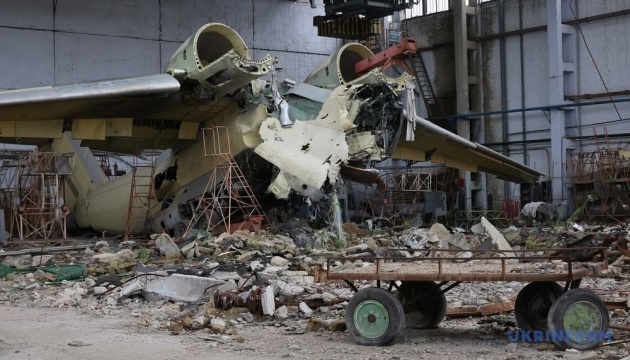
Kharkiv Aircraft Plant estimates damages from Russian attacks at UAH 6 billion
The Kharkiv State Aircraft Manufacturing Company has recorded massive destruction due to enemy shelling.
 🏙️City
US Demands Peace Agreement on Ukraine by January: Kyiv and EU Alarmed
The Donald Trump administration is pushing for an urgent conclusion of peace negotiations between Ukraine and Russia before the new US Congress takes office.
 🏛️Politics
Estonia to close all road border crossings with Russia
In response to massive attacks on Ukraine and security threats, the Estonian government has decided to fully close the land border to road traffic starting December 1.
 👥Society
Global environmental threat: massive seaweed belt rapidly expanding in the Atlantic
Scientists are recording a record expansion of the sargassum seaweed belt in the Atlantic Ocean, creating new challenges for the planet's ecosystem.